As April 15th approaches, many Michigan residents are reviewing various sources of gross income, tax credits and tax deductions in order to prepare individual or joint income tax returns. In addition to personal income taxes, newer directors may be unaware that their condominium or homeowners’ association is also required to file federal income taxes on an annual basis. For the…
Read More →
Introduction Two-wheeled personal mobility devices, or hoverboards, were the ubiquitous holiday gift in 2015. Small, new and exciting, these contraptions quickly shot to the top of the wish list for many individuals, even those not technologically savvy. Once the wrapping paper was cleared, however, hoverboards were revealed to present very real risks of danger. In fact, one popular video showed…
Read More →
In Michigan, when a developer creates a condominium, the developer is required to record a master deed. Pursuant to MCL 559.108, the master deed and condominium subdivision plan must identify the total number of units in the project and assign a percentage of value to each unit. However, the initial configuration of the condominium is not set in stone. MCL…
Read More →
Condominium associations are solely dependent upon the collection of assessments from their members for their survival and to purchase and provide the goods and services necessary for the maintenance of the project for the benefit of its members. Thus, when a Co-owner files for bankruptcy, there is an understandable feeling that all is lost. However, that is not always the…
Read More →
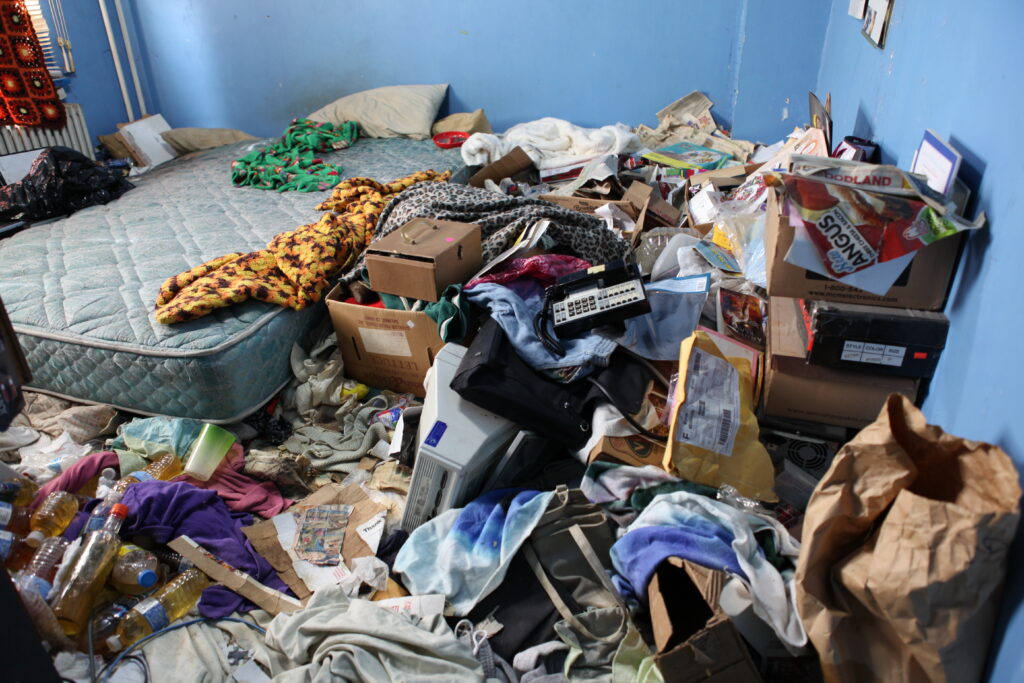
As the weather becomes warmer here in Michigan, many homeowners or co-owners undergo the yearly “Spring Cleaning.” Unfortunately, many condominium associations in Michigan face co-owners, tenants or residents who do not maintain the same sanitary living space as their neighbors. At the extreme, hoarders may fill units and/or limited common elements with debris, combustible material, food or other unsanitary or…
Read More →
Introduction A well-run condominium can be thought of as having two components: (1) physical assets, which are the buildings, structures, and grounds on which the condominium is located; and (2) financial assets, which are the funds necessary to maintain the condominium’s physical assets. So long as the financial assets are adequate to meet the maintenance needs of the physical assets,…
Read More →