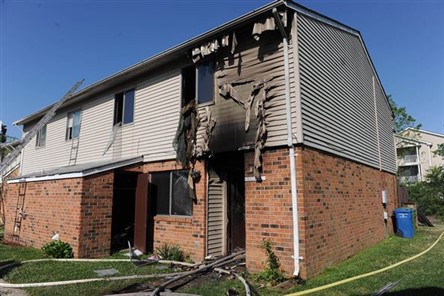
In Michigan, condominiums consist of either units or common elements. Common elements are further subdivided into two categories: general common elements and limited common elements. Under most Michigan condominium documents, the difference between general common elements and limited common elements is important to determine who is responsible for maintaining, repairing and replacing damage to various areas of the condominium, which…
Read More →
In Deghetto v Beaumont’s Seven Harbors White and Duck Lack Association, issued June 22, 2017 (Docket No. 330972) (Unpublished Opinion), the Michigan Court of Appeals recently ruled that a homeowners’ association could not continue to collect assessments after the restrictive covenant expired.
Read More →
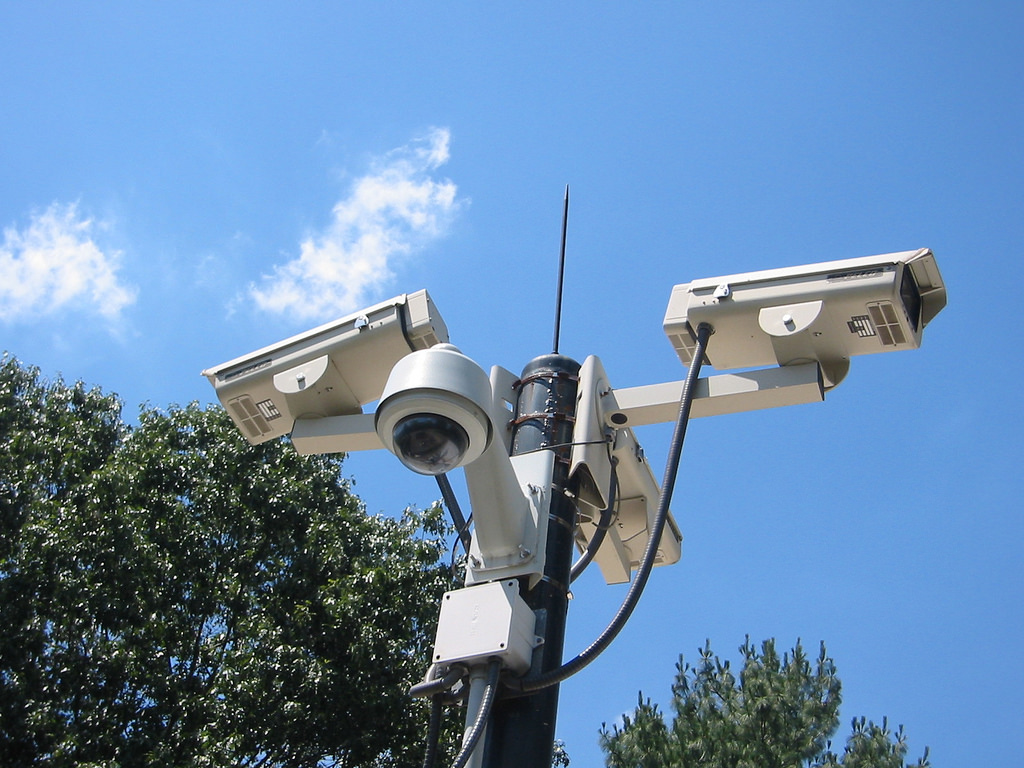
Whether inside a grocery store, at a gas station or even in your neighborhood, security cameras are everywhere in modern society. As technology evolves and cheaper and better cameras come onto the market each year, Michigan condominiums are experiencing an increase in surveillance and/or security camera usage. Security cameras raise significant legal questions that impact decisions made by the Board…
Read More →
Electric vehicles are increasing in popularity throughout the United States and create unique challenges for Michigan condominium associations, especially those that were created before electric vehicles were even contemplated. Experts project that by 2040, at least thirty-five percent of all new cars will have a plug. Accordingly, condominium associations will be forced to deal with issues relating to the charging…
Read More →
In Section 207 of the Telecommunications Act of 1996 (the “Act”), Congress directed the Federal Communications Commission (“FCC”) to adopt rules concerning Over-the-Air Reception Devices (“OTARD”) in order to provide limitations and guidance on governmental and non-governmental restrictions on viewers’ ability to receive certain over the air telecommunications. In October 1996 the FCC adopted 47 CFR § 1.4000 (the "OTARD…
Read More →
In densely populated urban areas in Michigan, it is not uncommon for a co-owner to sell another co-owner a parking space at a premium when parking space is limited. However, condominium associations and co-owners often confuse the process of selling units with the process of selling a limited common element parking space. In determining the proper procedure for selling a…
Read More →