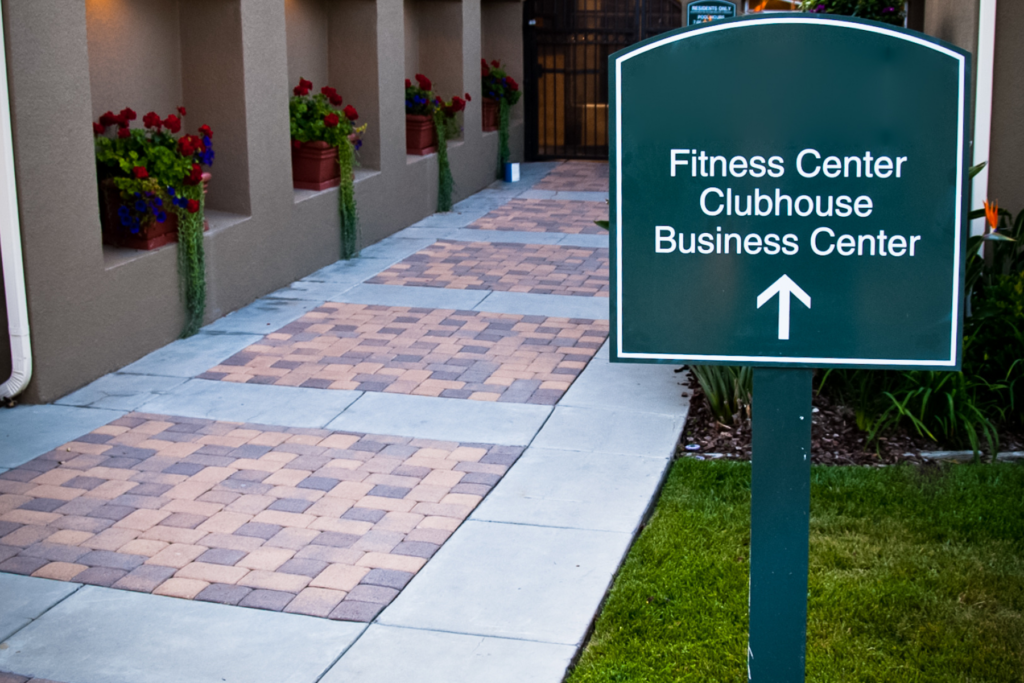
One reason individuals choose to live in a condominium is the amenities, such as a clubhouse, swimming pool, and tennis court. Condominiums located next to each other frequently share amenities, and issues such as how costs will be shared and who will make maintenance and repair decisions about the amenities are typically addressed in the master deeds or separate maintenance…
Read More →
The governing documents of a homeowners association, whether called a declaration of easements (a declaration), covenants, conditions, and restrictions (CC&Rs), or otherwise, will identify the provisions and restrictions that apply to the lot owners. The original developer of the subdivision likely wrote the original governing documents some years ago and created the restrictions to reflect what the developer envisioned for…
Read More →
If your Michigan condo or HOA is experiencing frequent conflicts, outdated restrictions, or legal uncertainty, your governing documents are likely outdated. Many community associations are still operating under declarations, master deeds, and bylaws drafted decades ago, and do not consider recent changes to Michigan law, evolving technology, and modern community needs. Outdated governing documents can leave your community association unable…
Read More →
Don’t sweat the small stuff. While it may be a good tip for reducing stress in your life, it is almost certainly not a good tip when it comes to following the governing documents for your condo or HOA. In fact, ensuring that all of the rules are followed—yes, all the small things—may in fact reduce your overall stress by…
Read More →
In many Michigan condominiums and HOAs, the governing documents contain a provision creating an Architectural Control Committee ("ACC") tasked with maintaining the overall aesthetics of structures within the community. Normally, when an owner wishes to modify a structure, the owner may petition the association's ACC for approval. If the owner is denied the requested modification, this can lead to claims…
Read More →
Introduction The overwhelming majority of condominium and homeowners associations in Michigan govern residential developments. Accordingly, many community associations have concerns about residents or guests traveling at excessive speeds throughout the neighborhood. With the growing utilization of common interest communities, more and more associations are seeking to create and enforce their own speed limits within their respective developments. For example, some…
Read More →