The Michigan Court of Appeals concluded that the trial court correctly set aside the judgment of foreclosure as it was void as a matter of law. Specifically, the judgment could not have prospective application as it attempted to divide the limited common element garages from the units, which was not allowed pursuant to MCL 559.137(5). Accordingly, Michigan condominium associations should…
Read More →
Numerous condominiums in Michigan restrict (or outright ban) sculptures, statues, lawn ornaments, birdbaths or other items pursuant to the condominium documents. Many of these provisions were drafted by the developer when creating the condominium in order to provide uniformity during the sales process. Likewise, many declarants subject a platted subdivision to deed restrictions that also restrict or ban the use of…
Read More →
On June 22, 2016, Governor Snyder signed Senate Bill 610 after it underwent several amendments in both the house and senate. Senate Bill 610 will become effective as of September 21, 2016 and will amend MCL 559.167
Read More →
I am honored to serve on the host committee to re-elect Justice David Vivano and Justice Joan Larsen to the Michigan Supreme Court. They have served the State of Michigan well and are model examples of jurists. A kickoff event will be held to support their re-election campaign on Thursday, May 5, 2016, at Antonio Cucina Italiana, 2220 North Canton Road, Canton, Michigan,…
Read More →
As April 15th approaches, many Michigan residents are reviewing various sources of gross income, tax credits and tax deductions in order to prepare individual or joint income tax returns. In addition to personal income taxes, newer directors may be unaware that their condominium or homeowners’ association is also required to file federal income taxes on an annual basis. For the…
Read More →
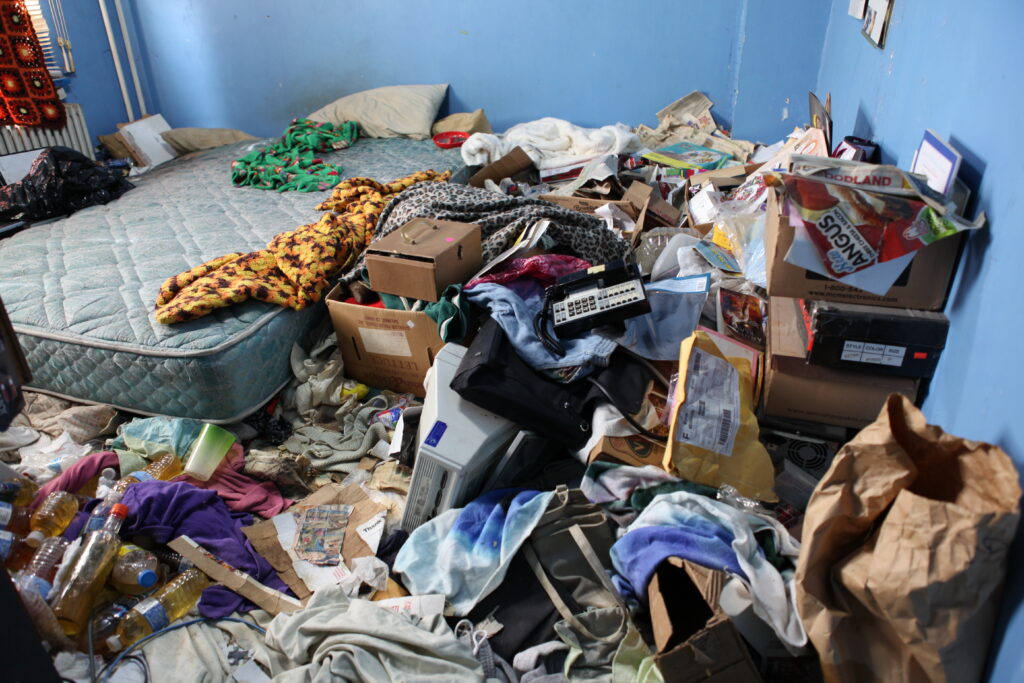
As the weather becomes warmer here in Michigan, many homeowners or co-owners undergo the yearly “Spring Cleaning.” Unfortunately, many condominium associations in Michigan face co-owners, tenants or residents who do not maintain the same sanitary living space as their neighbors. At the extreme, hoarders may fill units and/or limited common elements with debris, combustible material, food or other unsanitary or…
Read More →