UPDATE: This opinion was subsequently reversed by the Michigan Supreme Court on July 24, 2019 in a 5-2 decision. A copy of the Supreme Court's opinion can be found here.In Thiel v Goyings, unpublished opinion of the Court of Appeals, issued August 8, 2017 (Docket No. 333000), the Michigan Court of Appeals held that the construction of a partially prefabricated…
Read More →
If restrictive covenants apply to more than 250 lots or parcels of real property in a single development and the law of this state allows the owners of the real property to amend, reaffirm, or repeal the restrictive covenants, the owner of a lot or parcel that is subject to the restrictive covenants may consent to amend, reaffirm, or repeal…
Read More →
Short-term rental websites such as AirBNB, Booking.com, FlipKey, HomeAway, Homestay, House Trip, Roomorama, Tripping.com, Trivago, VBRO and VayStays have become an increasing concern for Michigan condominium and homeowner’s associations that are populated by full time residents. The rise of short-term rental websites has led owners and investors to seek out extra income by renting their property on a nightly basis.…
Read More →
In Deghetto v Beaumont’s Seven Harbors White and Duck Lack Association, issued June 22, 2017 (Docket No. 330972) (Unpublished Opinion), the Michigan Court of Appeals recently ruled that a homeowners’ association could not continue to collect assessments after the restrictive covenant expired.
Read More →
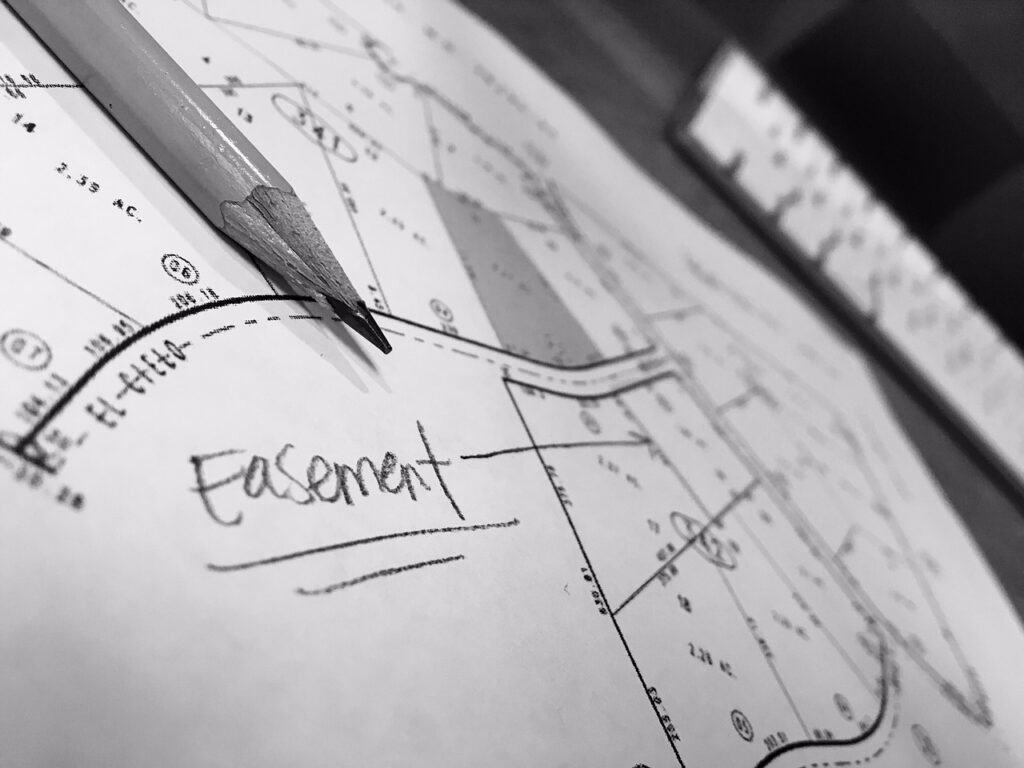
In the context of living in a condominium, additional easements are common. In fact, all condominiums are required to have certain easements pursuant to the Michigan Condominium Act and Administrative Rules. Some examples of these required easements come from the Michigan Administrative Rules interpreting the Condominium Act.
Read More →
Over the past decade, the popularity of living in a common interest community, particularly condominium and homeowners associations, has risen significantly. According to recent statistics provided by Community Associations Institute, there are over 340,000 community associations, over 26 million housing units, and over 68 million residents living in these associations in the United States. As these numbers continue to grow,…
Read More →