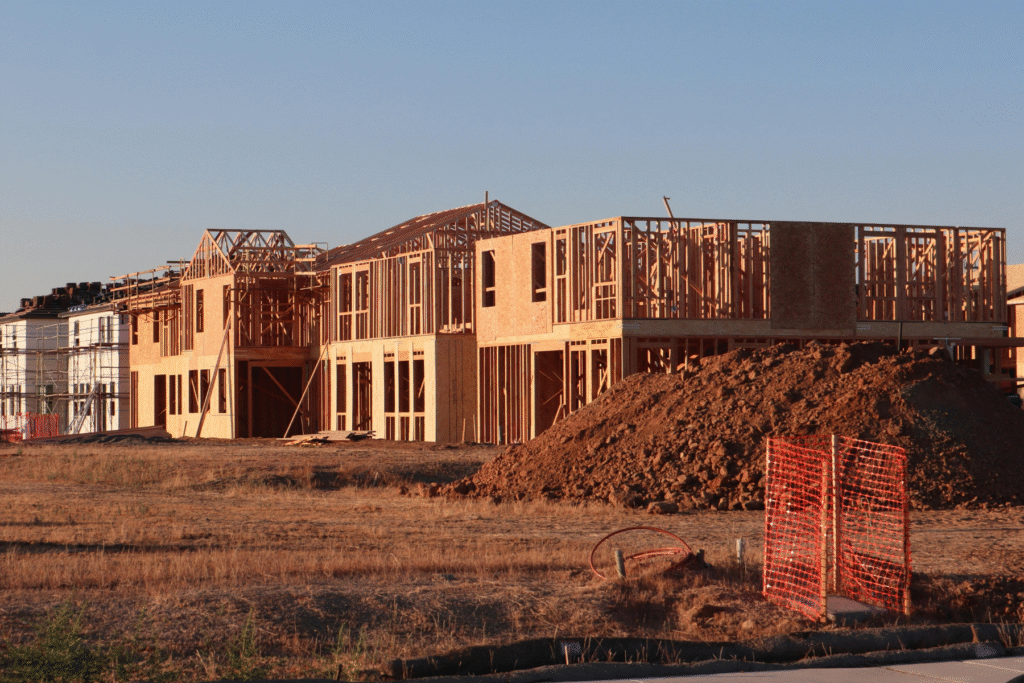
Disputes over undeveloped condominium units frequently turn on a narrow statutory question: does former MCL 559.167 apply when a developer fails to designate units as either “must be built” or “need not be built” in the master deed? Because undeveloped units can represent significant retained development value, the answer to that question carries serious financial and governance consequences for condominium…
Read More →
What happens when a group of unhappy members tries to take control of a Michigan homeowners association during a contentious meeting? A recent appellate decision provides important guidance on who actually controls the meeting and what authority members do and do not have. The Michigan Nonprofit Corporation Act, MCL 450.2101 et seq., governs most Michigan condominium and homeowners associations…
Read More →
Condominium developments in Michigan often include significant infrastructure improvements, including private roads, utilities, and drainage systems. Because these improvements are essential to the use and value of the project, the Michigan Condominium Act requires developers to provide financial security to ensure completion of those improvements. In Hills of Lone Pine Ass’n v Texel Land Co, Inc, 226 Mich App 120;…
Read More →
The governing documents of a homeowners association, whether called a declaration of easements (a declaration), covenants, conditions, and restrictions (CC&Rs), or otherwise, will identify the provisions and restrictions that apply to the lot owners. The original developer of the subdivision likely wrote the original governing documents some years ago and created the restrictions to reflect what the developer envisioned for…
Read More →