August 3, 2016
Persons with disabilities who reside in condominiums have several statutory protections available to them designed to prevent discrimination against the disabled. These protections include the federal Fair Housing Amendments Act (“FHAA”), 42 USC 3604. The FHAA applies to housing, and to the provisioning of services in connection with housing. While the FHAA addresses the circumstances where a person with a…
Read More →
July 28, 2016
With the summer heat wave in full force, it is nice to enjoy a refreshing dip in the pool to cool down. Also, pools are not only good for cooling down but also provide numerous other benefits, including family time without the distractions of today’s technology, fitness training, stress relief, therapy and helping to keep children active. Additionally, community pools…
Read More →
February 15, 2016
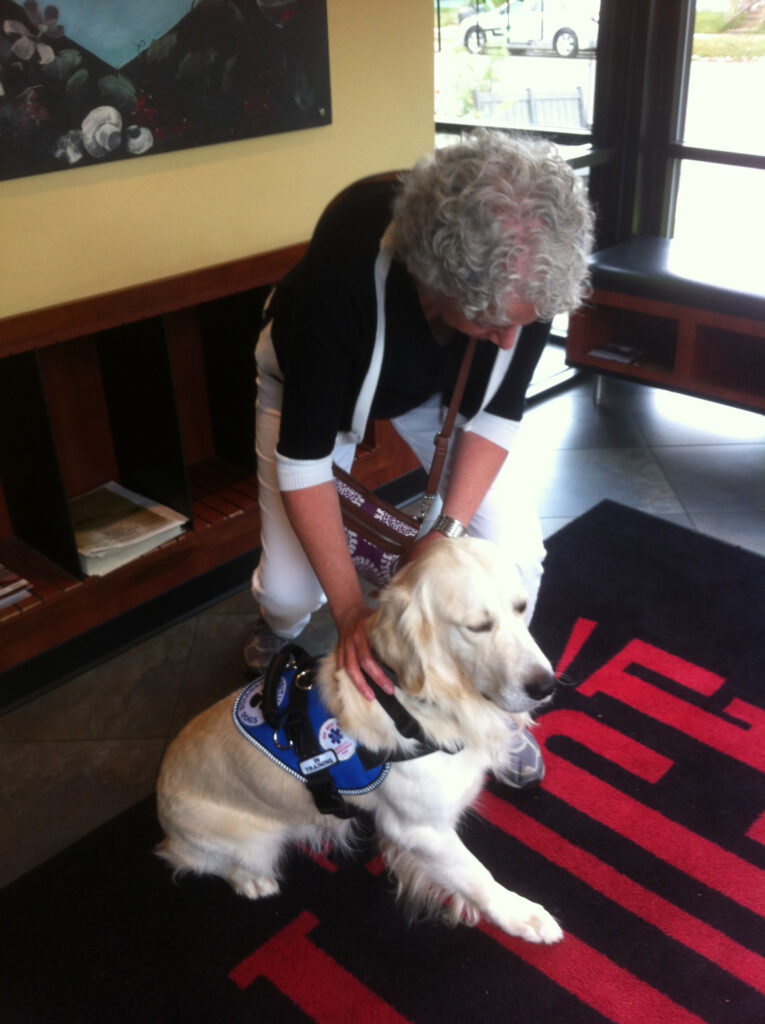
(The image on this post was linked from http://www.pawsitivityservicedogs.com) On October 20, 2015, Governor Rick Snyder signed into law Senate Bills 298 and 299 and House Bills 4521 and 4527, which became effective January 18, 2016. The Bills updated rules on the use of service animals in places of public accommodation, as well as, the identification and licensing of service animals…
Read More →
July 10, 2015
In order to avoid the potential for liability, it is important that an association periodically review its bylaws, and its rules and regulations in order to ensure both that its policies are facially neutral, and that the implementation of facially neutral policies does not adversely impact a protected class.
Read More →
April 14, 2015
Given that religious freedom in community associations is a rapidly evolving area of the law, community association boards should consult with legal counsel when enacting and/or enforcing bylaws or ruling that could impact the religious beliefs of co-owners.
Read More →
January 12, 2015
The failure to properly accommodate a disabled person’s request can lead to an expensive and time consuming lawsuit, which can award attorney’s fees and costs to the disabled person.
Read More →