Pet restrictions are a perennial topic of interest in Michigan and consistently one of the most discussed, debated and reviewed provisions in the condominium bylaws. For example, some condominium bylaws prohibit "dangerous animals" from being brought to the condominium or kept on the condominium premises.
Read More →
In Michigan, condominiums consist of either units or common elements. Common elements are further subdivided into two categories: general common elements and limited common elements. Under most Michigan condominium documents, the difference between general common elements and limited common elements is important to determine who is responsible for maintaining, repairing and replacing damage to various areas of the condominium, which…
Read More →
In Michigan, condominium developers are required to provide several documents to prospective purchasers of a condominium. Pursuant to MCL 559.106, “Developer” is defined as “a person engaged in the business of developing a condominium project as provided in this act”. In addition to original developers, the Condominium Act imposes similar requirements upon “Successor Developers”. MCL 559.235 states in part “As…
Read More →
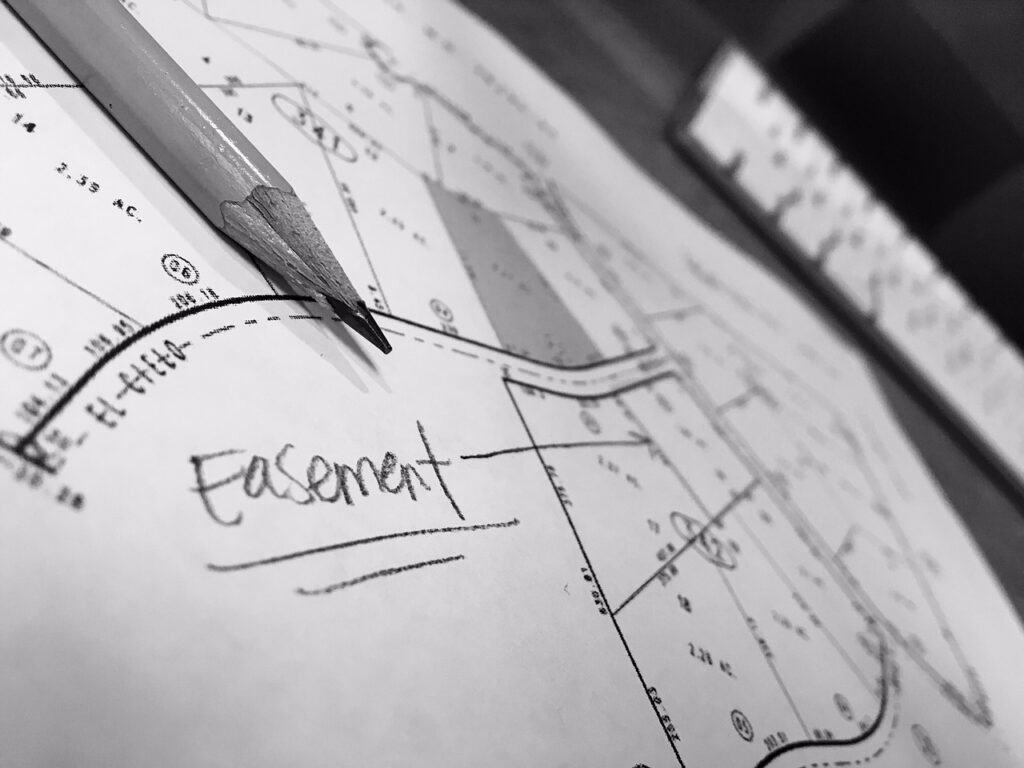
In the context of living in a condominium, additional easements are common. In fact, all condominiums are required to have certain easements pursuant to the Michigan Condominium Act and Administrative Rules. Some examples of these required easements come from the Michigan Administrative Rules interpreting the Condominium Act.
Read More →
When purchasing a condominium unit in Michigan, buyers are often surprised at the number of legal documents governing not only the condominium project itself, but also the association tasked with administering, managing and maintaining the condominium. Given the length and complexity of most governing documents, there can be conflicting provisions by, amongst and within the governing documents. This article explores…
Read More →
Over the past decade, the popularity of living in a common interest community, particularly condominium and homeowners associations, has risen significantly. According to recent statistics provided by Community Associations Institute, there are over 340,000 community associations, over 26 million housing units, and over 68 million residents living in these associations in the United States. As these numbers continue to grow,…
Read More →