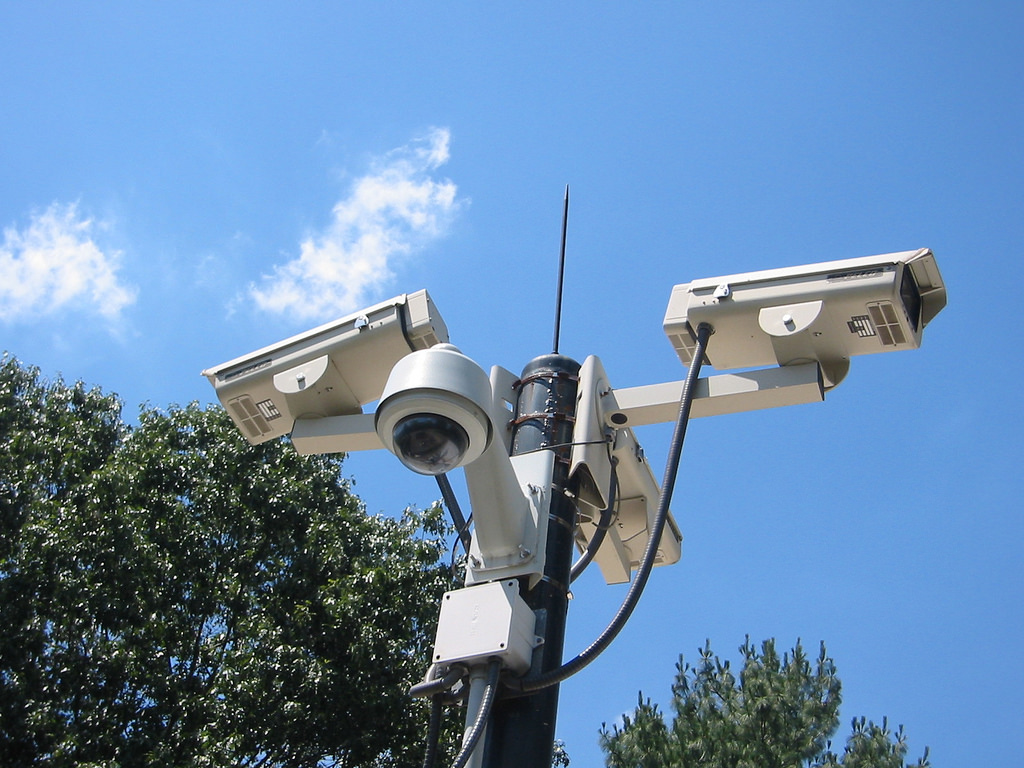
Whether inside a grocery store, at a gas station or even in your neighborhood, security cameras are everywhere in modern society. As technology evolves and cheaper and better cameras come onto the market each year, Michigan condominiums are experiencing an increase in surveillance and/or security camera usage. Security cameras raise significant legal questions that impact decisions made by the Board…
Read More →
On December 9, 2016, Governor Rick Snyder signed 2016 PA 332 into law and amended the Michigan Motor Vehicle Code to make Michigan the first state that allows for autonomous vehicles to be operated on a public street or highway.
Read More →
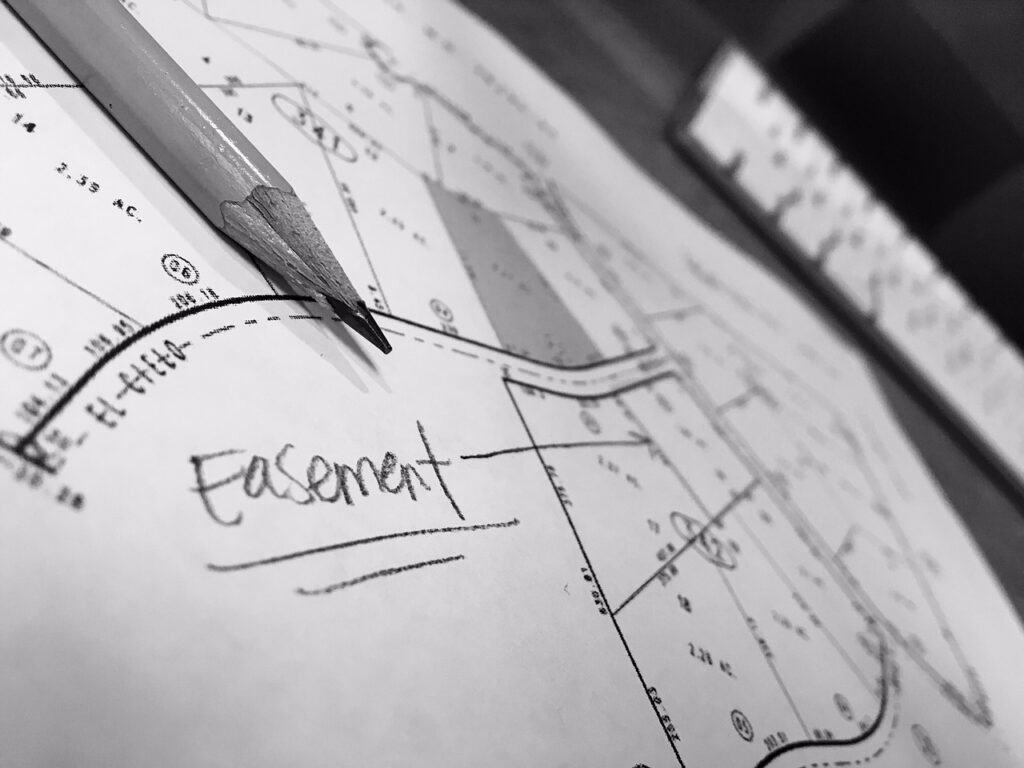
In the context of living in a condominium, additional easements are common. In fact, all condominiums are required to have certain easements pursuant to the Michigan Condominium Act and Administrative Rules. Some examples of these required easements come from the Michigan Administrative Rules interpreting the Condominium Act.
Read More →
When purchasing a condominium unit in Michigan, buyers are often surprised at the number of legal documents governing not only the condominium project itself, but also the association tasked with administering, managing and maintaining the condominium. Given the length and complexity of most governing documents, there can be conflicting provisions by, amongst and within the governing documents. This article explores…
Read More →
Over the past decade, the popularity of living in a common interest community, particularly condominium and homeowners associations, has risen significantly. According to recent statistics provided by Community Associations Institute, there are over 340,000 community associations, over 26 million housing units, and over 68 million residents living in these associations in the United States. As these numbers continue to grow,…
Read More →
When a developer starts a project in Michigan, often it is easier/cheaper to create a site condominium or a homeowner’s association (“HOA”) rather than platting single family homes. As the developer sells enough units, control of the site condominium or HOA transfers to the homeowners in the project. Once the transition occurs, it is the homeowners’ responsibility for making sure…
Read More →