Election seasons these days never seem to end, with dozens of national, state, and local races and issues up for consideration in any given year and new campaigns that begin as soon as an election cycle ends. With all these races and protracted campaigns comes a proliferation of political signs in yards and homes in Michigan condos and HOAs. While…
Read More →
As recently decided by the Michigan Supreme Court in Janini v London Townhouses Condominium Association, issued July 11, 2024 (Docket No. 164158), a co-owner on the condominium’s common elements is now classified as an invitee under Michigan law entitled to have the premises made safe and warnings of known dangers thereon by the condominium association. The condominium association under Janini…
Read More →
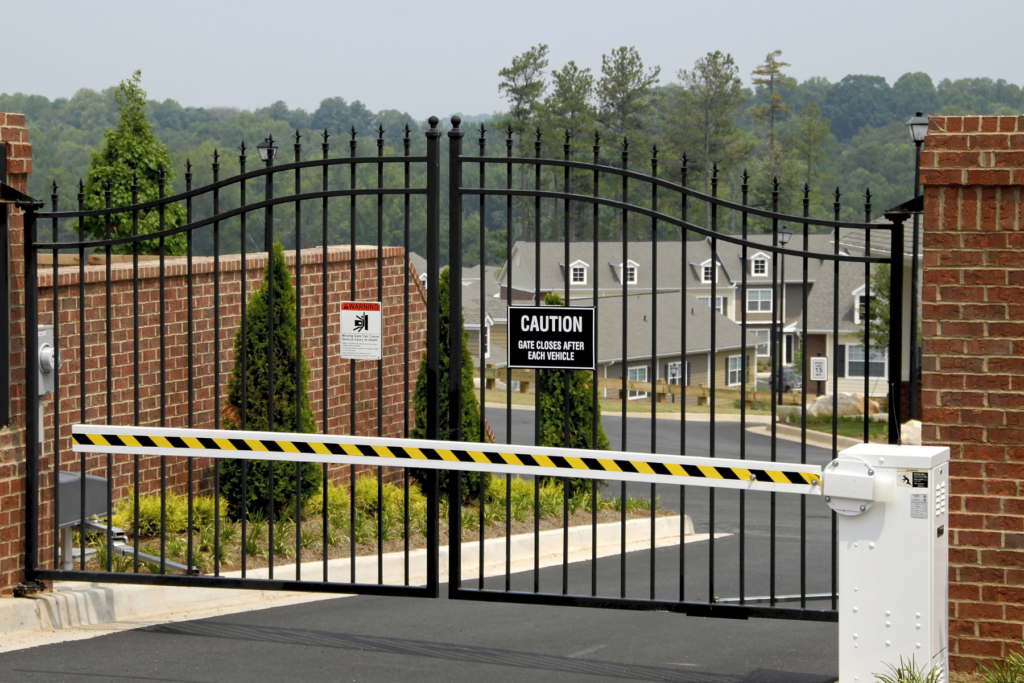
Imagine living in an exclusive, gated condominium community where security and privacy are top priorities. Whether your home is nestled in a suburban site condominium or perched in a sophisticated downtown high-rise, the added peace of mind a gated community provides is a major selling point for many. In fact, a recent study shows that homes in non-gated communities are…
Read More →
Many co-owners volunteer to serve on the board of directors because they believe that they can lead their condominium association in a positive direction. This belief is essentially what it means to fulfill their duty as a fiduciary: to act in good faith, loyally to the association, and avoiding self-dealing. If the association believes that a co-owner director has not…
Read More →
Successfully transitioning control of a condominium association from the developer to the co-owners is critical for the long-term success of any Michigan condominium. When a developer exits a condominium project, it often requests a release of liability from the co-owner controlled board of directors. An experienced developer has an inherent advantage in negotiating a release with a condominium association, as…
Read More →
Did you know that Michigan’s HB 5019, a new bill pending in the Michigan House, aims to bring significant changes to the way condominium associations manage their reserve funds? Currently, Michigan law requires that condominium associations maintain a reserve fund for major repairs and the replacement of common elements. The state administrative code mandates that this reserve fund must be at…
Read More →