In Michigan, condominium developers are required to provide several documents to prospective purchasers of a condominium. Pursuant to MCL 559.106, “Developer” is defined as “a person engaged in the business of developing a condominium project as provided in this act”. In addition to original developers, the Condominium Act imposes similar requirements upon “Successor Developers”. MCL 559.235 states in part “As…
Read More →
On December 9, 2016, Governor Rick Snyder signed 2016 PA 332 into law and amended the Michigan Motor Vehicle Code to make Michigan the first state that allows for autonomous vehicles to be operated on a public street or highway.
Read More →
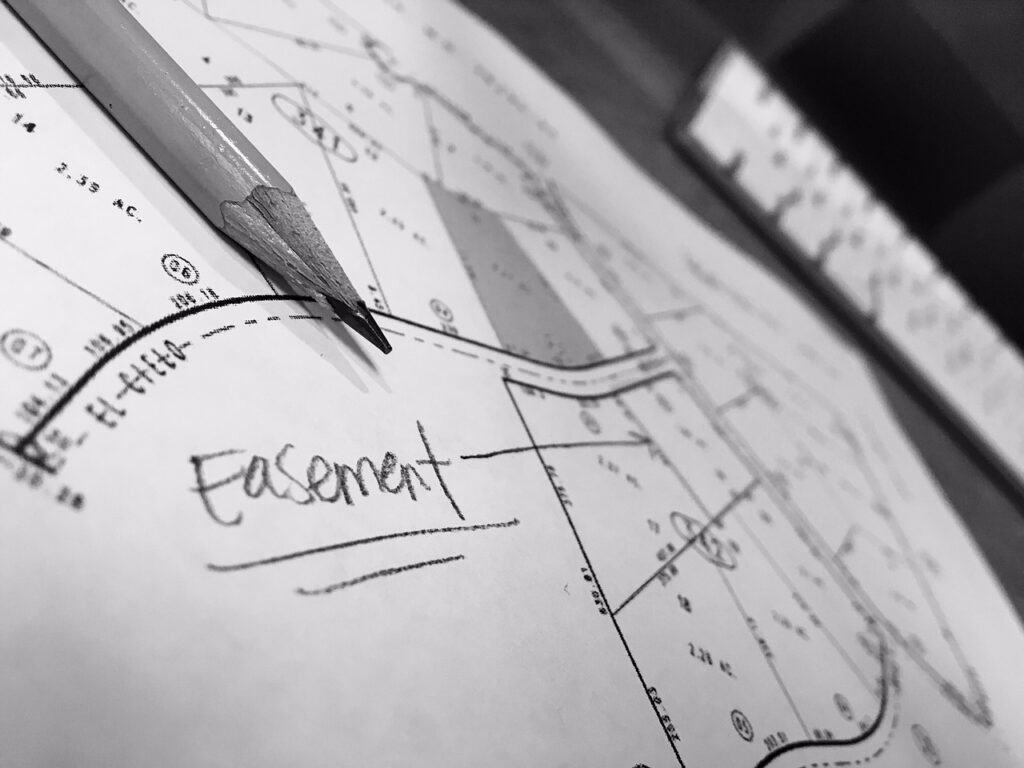
In the context of living in a condominium, additional easements are common. In fact, all condominiums are required to have certain easements pursuant to the Michigan Condominium Act and Administrative Rules. Some examples of these required easements come from the Michigan Administrative Rules interpreting the Condominium Act.
Read More →
Over the past decade, the popularity of living in a common interest community, particularly condominium and homeowners associations, has risen significantly. According to recent statistics provided by Community Associations Institute, there are over 340,000 community associations, over 26 million housing units, and over 68 million residents living in these associations in the United States. As these numbers continue to grow,…
Read More →
The Community Associations Institute ("CAI") Board of Trustees recently appointed Kevin M. Hirzel, Esq. to the national Government & Public Affairs Committee for a two year term from January 1, 2017 through December 31, 2018. CAI is an international membership organization with more than 34,000 members in partnership with 60 chapters around the globe. CAI provides information, education and resources to…
Read More →
When a developer starts a project in Michigan, often it is easier/cheaper to create a site condominium or a homeowner’s association (“HOA”) rather than platting single family homes. As the developer sells enough units, control of the site condominium or HOA transfers to the homeowners in the project. Once the transition occurs, it is the homeowners’ responsibility for making sure…
Read More →