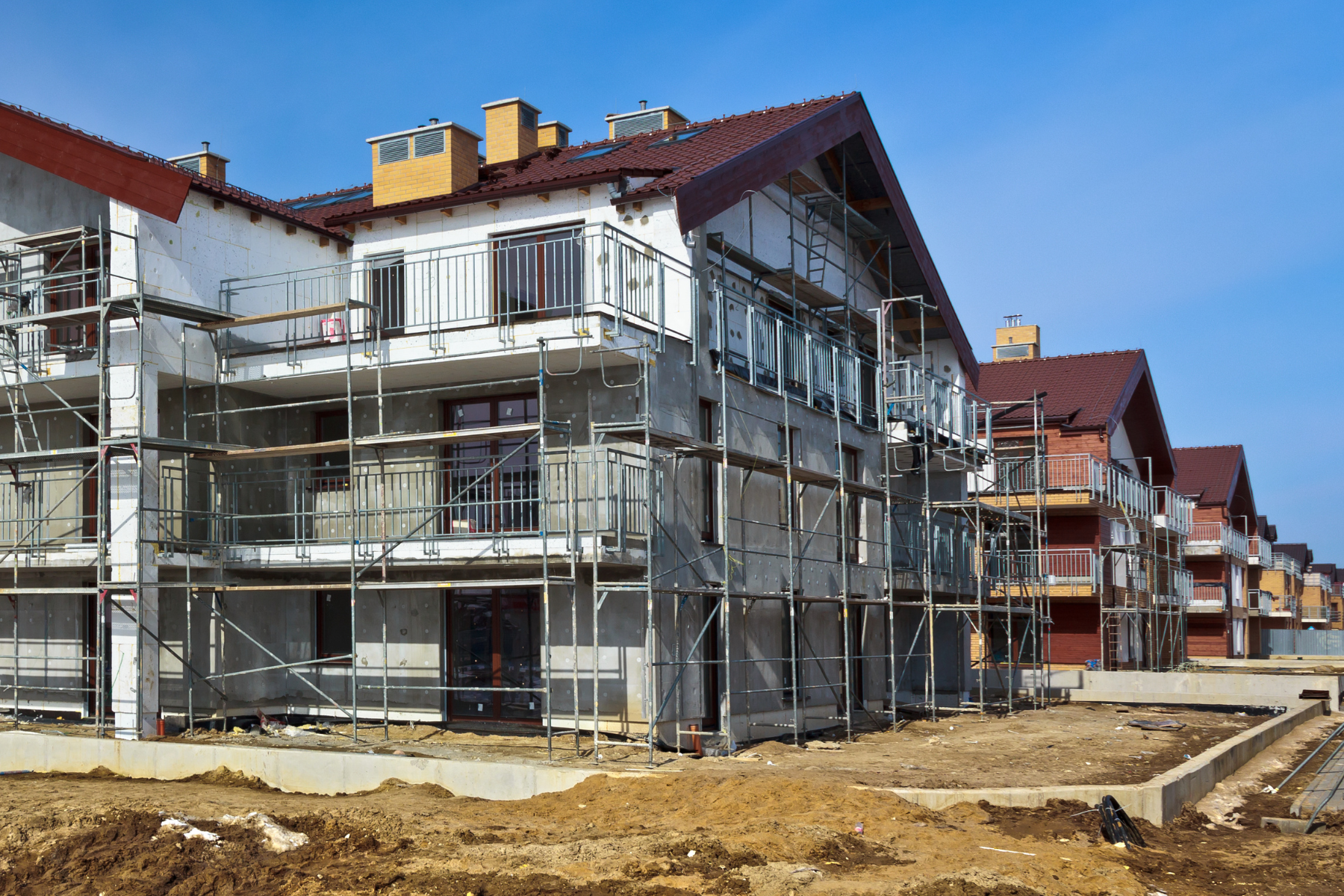

Community association boards often need administrative and operational flexibility to manage budgets, resolve disputes, and keep a community running efficiently. However, when a board uses this authority to change the substantive rights or financial obligations established by the governing documents, that decision may cross the line from routine administration into a bylaw amendment requiring Co-owner approval. In Ritz v Sandyoak…
Read More →
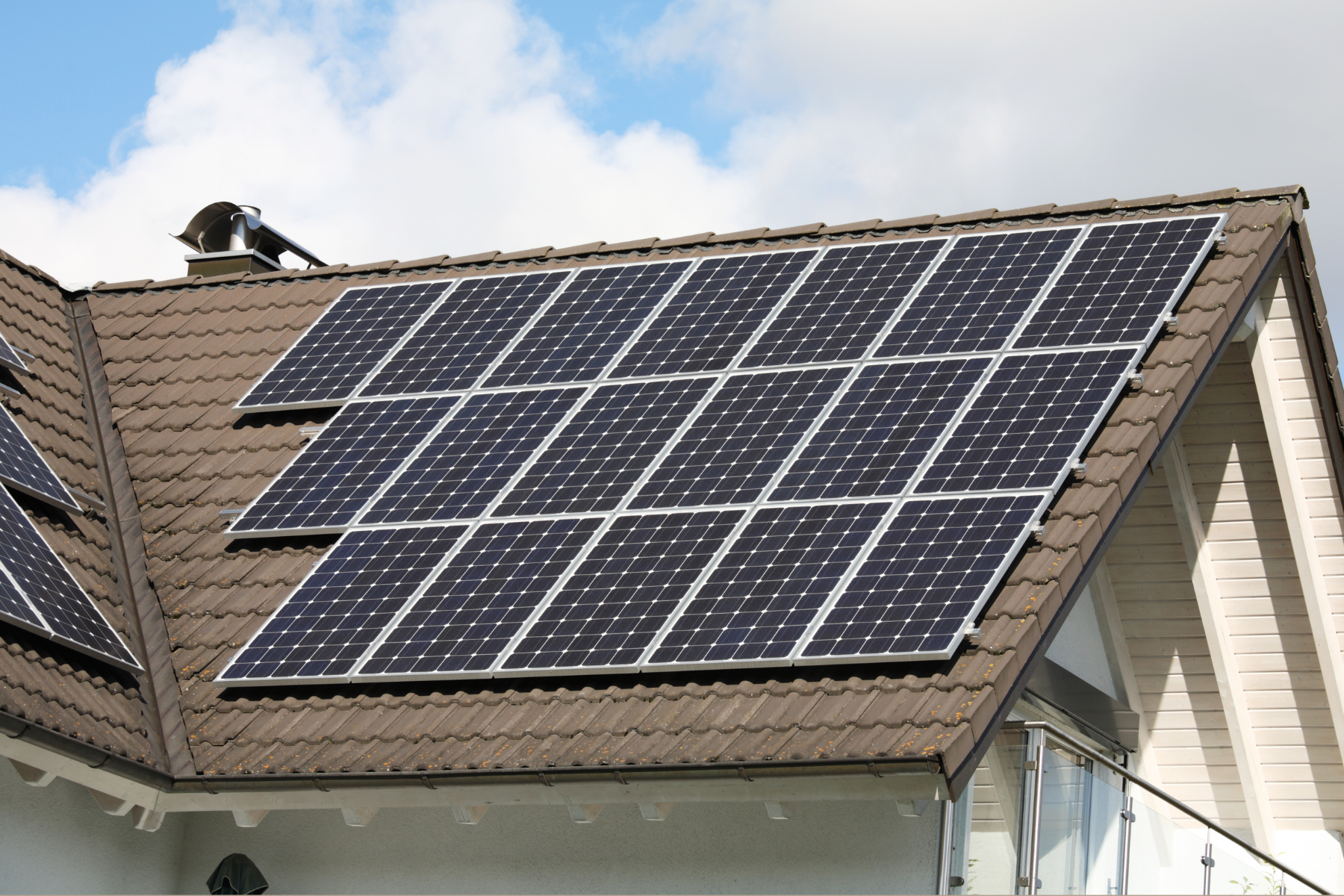
The Homeowners’ Energy Policy Act, MCL 559.301 et seq. (“HEPA”) was enacted into law with the aim of removing condominium associations’ and homeowners associations’ traditional architectural authority over solar panels and other energy-saving improvements or modifications. As of April 1, 2026, HEPA requires all homeowners associations in Michigan to adopt a written solar energy policy. HEPA provides guidance on the…
Read More →
Can Michigan condominium development rights expire automatically when a developer fails to build units on time? In Woodfield Greens Condominium Association v Soho Land Development, Inc., unpublished per curiam opinion of the Michigan Court of Appeals, issued March 16, 2026 (Docket No. 371067), the Court affirmed that undeveloped condominium units designated as “need not be built” automatically revert to general…
Read More →
When a co-owner in a Michigan condominium files for bankruptcy, can the condominium association still collect unpaid assessments? Most boards assume the answer is no. This belief is common, but not entirely correct. While bankruptcy offers some protection against collection efforts, it does not completely eliminate the condominium association’s rights. Michigan condominium associations that understand the rules, act quickly, and…
Read More →
On March 18, 2026, Fannie Mae issued Lender Letter LL-2026-03 and updated its condominium lending guidelines. In addition to expanding the waiver of project review in condominiums with 10 or fewer units and retiring the limited review process on August 3, 2026, Fannie Mae’s 2026 condominium lending updates may significantly impact how condominium associations budget for reserves, maintain insurance, and…
Read More →
Can a Michigan homeowners association rely on its liability insurance to cover emotional distress claims tied to enforcement disputes? In many cases, the answer is no. Condominium and homeowner associations routinely rely on liability insurance as a financial safety net when disputes escalate into litigation. Associations often assume that if a lawsuit is filed—particularly one alleging serious harm such as…
Read More →