Kevin Hirzel has been named as a Leading Lawyer in real estate law for 2018 by Leading Lawyer's Magazine. Leading Lawyers have been recommended by their peers to be among the TOP LAWYERS in their areas of practice. Less than 5% of all lawyers licensed in each state have received the distinction of Leading Lawyer.
Read More →
The Michigan Court of Appeals decided several important issues in favor of Michigan condominium associations on December 14, 2017 in Ferry Beaubien LLC v Centurion Place on Ferry Street Condominium Association, unpublished opinion of the Court of Appeals, issued December 14, 2017 (Docket No. 335571).
Read More →
On November 28, 2017, Senator Peter MacGregor introduced Senate Bill 663, which would criminalize a fake request for an emotional support animal or service animal. Requests for emotional support animals and service animals continue to increase under the Federal Fair Housing Act and the Michigan Persons with Disabilities Civil Rights Act, MCL 37.1101 et seq. While a legitimate request for an emotional…
Read More →
Vidolich v Saline Northview Condominium Association, unpublished opinion of the Court of Appeals, issued December 5, 2017 (Docket No. No. 334579), involved a lengthy battle between Vidolich, a co-owner in the Northview Condominium, and the Saline Northview Condominium Association (the “Association”). Vidolich was a member of the Association’s board until he resigned over a procedural dispute and he was the…
Read More →
As we previously discussed on September 21, 2017, in Michigan Court of Appeals Rules in Favor of HOA on Short-Term Rental Ban, Michigan courts have consistently held that short-term rentals violate “residential use” and “non-commercial use” restrictions contained in restrictive covenants. On November 30, 2017, in Eager v Peasley, et. al., published opinion of the Court of Appeals, issued November 30,…
Read More →
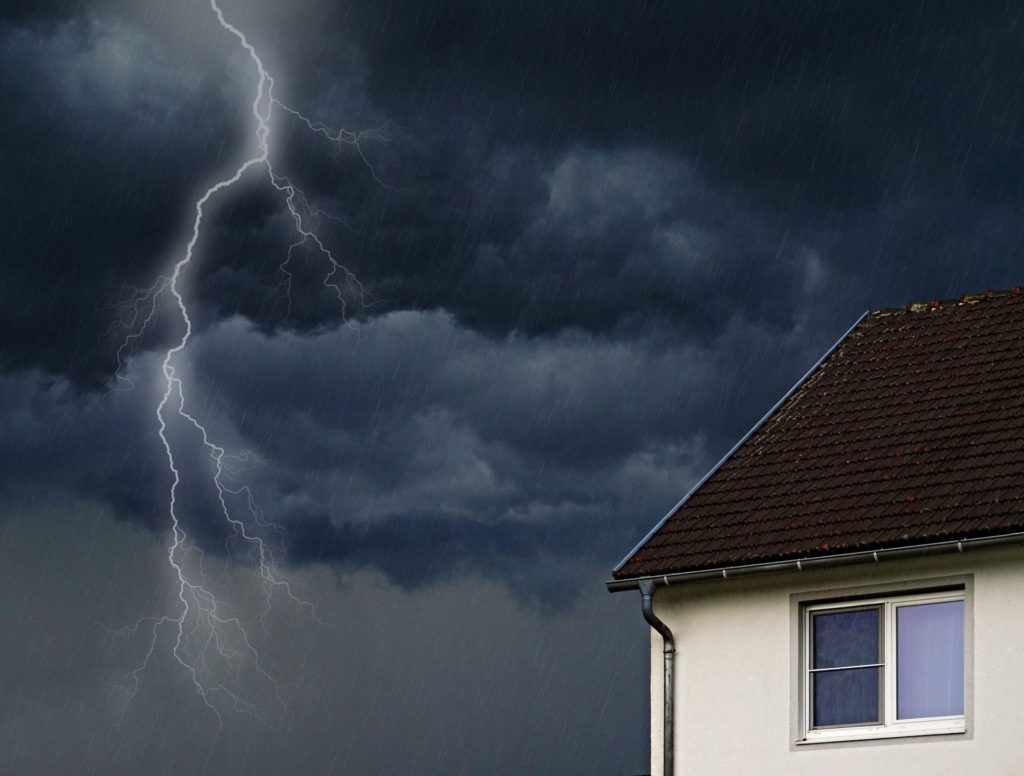
In Walters Beach Condominium Association v Home-Owners Insurance Company, unpublished opinion of the Court of Appeals, issued November 16, 2017 (Docket No. 335172), the Michigan Court of Appeals held that water damage caused by construction defects may be covered under a condominium association’s insurance policy. At issue was a rain storm caused water damage to 4 units in the Walters…
Read More →