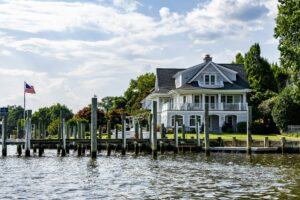

Many Michigan condominium associations are located on inland lakes and waterways that provide valuable boating and recreational opportunities for co-owners. As a result, condominium associations often maintain docks, boat slips, and other waterfront facilities for the benefit of their members. Questions can arise, however, regarding whether a condominium association’s management of a dock system could subject it to additional regulation as a marina under Michigan law.
In Attorney General of State ex rel. Michigan Department of Natural Resources v Chalet du Paw Paw Condominium Association, unpublished opinion of the Court of Appeals, issued August 3, 1999 (Docket No. 205384), the Michigan Court of Appeals considered whether a condominium association’s dock system constituted a marina requiring a permit under Michigan’s environmental laws. As discussed below, the decision provides valuable guidance for condominium associations that maintain shared waterfront facilities and highlights important distinctions between a condominium dock system and a commercial marina operation.
Why the State Claimed the Condominium Needed a Marina Permit
The Chalet du Paw Paw Condominium Association was a waterfront condominium community located on Paw Paw Lake. The condominium included a dock system used by co-owners for recreational boating purposes. The Michigan Department of Natural Resources alleged that the condominium association and developer were operating a marina without the permit required under Michigan law. Following a bench trial, the trial court determined that the dock system constituted a marina and that a permit was required. The defendants appealed the decision to the Michigan Court of Appeals.
How Does Michigan Law Define a “Marina”?
Part 301 of NREPA regulates inland lakes and streams. At the time of the decision, MCL 324.30101(f) defined a “marina” as “a facility that is owned or operated by a person, extends into or over an inland lake or stream, and offers service to the public or members of the marina for docking, loading or other servicing of recreational watercraft.” MCL 324.30102(c), in turn, prohibits a person from erecting, maintaining, or operating a marina without a permit from the department.
Condominium Dock Systems Are Not Necessarily Marinas Under Michigan Law
The primary issue on appeal was whether the condominium association’s dock system met the statutory definition of a marina. The Court of Appeals reversed the trial court and found that the condominium association was not operating a marina. In reaching its decision, the Court focused on the fact that the docks were used by condominium co-owners in connection with their ownership interests rather than as part of a commercial enterprise. The Court distinguished the condominium’s private dock system from traditional marinas that provide docking and related services to the public or members for commercial purposes.
Importantly, the Court found that activities commonly performed by condominium associations, such as coordinating dock installation and removal, maintaining insurance, and overseeing dock-related matters, did not transform the association into a marina operator.
Private Recreational Use by Co-Owners Matters
The Court also emphasized the private nature of the dock system. The facilities were maintained for the benefit of condominium co-owners and were not operated as a business offering services to the public. More specifically, the Court found the term “marina” under the statute did not include docks like the ones located in front of the condominium association property, as they belonged to individual condominium owners with riparian rights to the property, and the docks existed solely for the owners’ private, noncommercial, recreational use.
As a result, the Court concluded that the condominium association’s management of waterfront facilities was fundamentally different from operating a marina. The Court’s decision demonstrates that the existence of numerous docks or boat slips alone does not automatically subject a condominium association to marina regulations.
Key Takeaways for Michigan Condominium Associations
The Court of Appeals’ decision in Chalet du Paw Paw provides several important lessons for Michigan condominium associations with waterfront amenities.
- Managing docks does not automatically make an association a marina. Routine association activities such as maintaining docks, establishing dock rules, carrying insurance, and coordinating seasonal installation or removal generally do not constitute marina operations under Michigan law.
- Private use is an important distinction. Dock systems that exist for the benefit of condominium co-owners may be treated differently from facilities that provide docking services to the public or operate as commercial enterprises.
- Commercial activity can create additional risk. Associations should consult legal counsel before renting boat slips to non-members, offering public docking, or engaging in activities that could cause the dock system to resemble a commercial marina.
Need Guidance on Waterfront Condominium Issues?
If your condominium association manages docks, boat slips, or other waterfront amenities, it is important to understand how Michigan law applies to your community. The experienced condominium attorneys at Hirzel Law regularly advise associations regarding riparian rights, dock disputes, deed restriction enforcement, and governance issues involving waterfront property. Contact Hirzel Law to ensure that your association remains compliant while protecting the valuable waterfront amenities that make your community unique.